

Making Momentum CIC Staff Training Policy
The purpose of this Staff Training Policy is to ensure that all staff at Making Momentum are adequately trained and equipped to deliver safe, high-quality services to neurodivergent and disabled children, particularly in the context of our alternative provision and equine activities. This policy supports compliance with relevant standards, ensuring that our services meet the highest safety and quality standards for both the children we serve, staff and the horses in our care. The policy outlines how staff training is to be structured, including continuous professional development (CPD), training needs assessment, and evaluation procedures. By maintaining a robust training program, we will foster a knowledgeable, competent, and confident workforce capable of meeting the complex needs of our service users. Staff working with neurodivergent and disabled children, especially in an equine setting, must be equipped with specialized skills and knowledge to provide safe, supportive, and effective care. Our staff must be well-trained in areas such as safeguarding, first aid, horse welfare, and behavior management. The policy ensures that all team members are kept up-to-date with best practices and are fully prepared to deliver services in line with the required licensing and quality assurance frameworks.
Annual CPD Cycle:
An essential aspect of maintaining high standards at Making Momentum is the commitment to an ongoing CPD cycle for all staff. This annual CPD cycle ensures that staff continuously develop professionally, meet new challenges in the workplace, and adapt to evolving best practices in equine care and special education needs. The cycle includes:
Induction Training (Upon Joining):
New staff members will undergo an induction program covering the core values of Making Momentum, policies and procedures, safeguarding, risk assessments, and the specific needs of the children they will be working with.
Staff will be provided with Movement Method training to develop their understanding of the Neurobiology of Neurodiversity and how to adapt the environment (physical and human) to support the needs of learners.
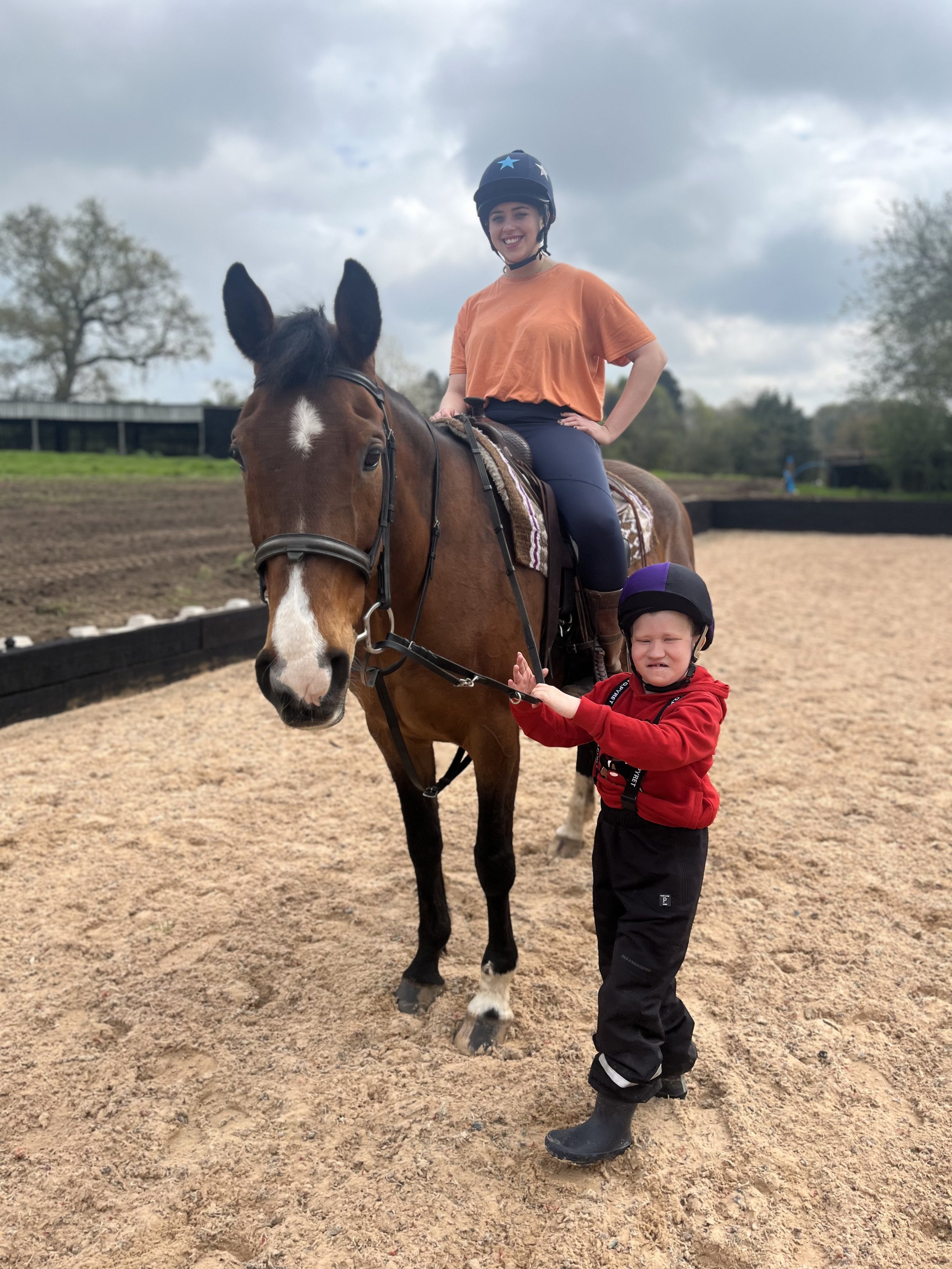
Staff may also receive training in horse handling, including basic equine care, horse safety, and understanding the behavioural responses of horses.
Annual Training Reviews:
At the beginning of each year, staff will participate in a training needs assessment, discussing their individual professional development goals and identifying any areas where further training may be necessary.
Staff will receive targeted training each year based on the results of this assessment, with a focus on any new regulations or best practices that arise in the equine care or special education fields.
Ongoing CPD:
All staff are required to participate in CPD activities, including attending workshops, seminars, and courses relevant to their role, whether these are internal or external.
The CPD cycle will include practical, hands-on training, online courses, and theoretical knowledge, ensuring that staff have the skills and confidence to work safely with both children and horses.
Training Needs Assessment:
Training needs will be assessed annually through:
Self-assessment by Staff:
Staff will be encouraged to reflect on their own development needs, taking into account feedback from colleagues, supervisors, and service users.
They will be asked to identify any areas where they feel additional training is required, whether it’s in horse care, child protection, or therapeutic techniques.
Supervisory Reviews:
Supervisors and managers will conduct performance appraisals and reviews of staff’s effectiveness in meeting the needs of the children, ensuring that any gaps in knowledge or skills are addressed.
This will involve a formal assessment of the skills required to deliver services effectively in a safe and ethical manner.
External Evaluations:
Making Momentum will participate in external audits, such as the Cheshire East Alternative Provision Quality Assurance evaluation, which may highlight areas for staff development or training requirements.
Budget Allocation for Training:
A budget for training will be allocated each year to ensure that all staff have access to the necessary training and resources. This budget will cover:
External Courses and Conferences: Fees for accredited courses related to special education, neurodivergent care, equine welfare, and other relevant areas.
In-house Workshops and Training Materials: Costs associated with delivering in-house training sessions, including materials and external trainers or experts.
Online Learning Platforms: Subscriptions for staff to access relevant online learning platforms and courses that support their CPD.
Training for Safeguarding and Health & Safety: Ensuring that safeguarding, first aid, and health and safety training is available for all staff.
The budget allocation will be reviewed annually and adjusted as necessary to meet the evolving training needs of the staff and organization.
Training Methods:
Training will be delivered through a variety of methods, including:
In-house Workshops and Seminars: Led by experienced staff or external specialists, focusing on specific aspects of equine care, child development, and behavior management.
E-Learning and Online Modules: Offering flexibility for staff to complete training at their own pace, particularly for topics such as safeguarding, health & safety, and neurodivergent care strategies.
Practical, Hands-on Training: For areas such as horse handling, stable management, and risk assessments, where practical demonstrations and supervised practice are necessary.
Mentorship and Peer Support: Pairing new staff with experienced colleagues who can offer guidance and support on day-to-day tasks.
Roles and Responsibilities:
Directors:
Responsible for overseeing the training program, conducting training needs assessments, and ensuring that staff training is aligned with regulatory requirements and organisational goals.
Ensure that staff have the time and resources to attend required training.
Maintain records of training completion and certification.
Staff Members:
Responsible for actively participating in training and CPD activities.
Engage in self-reflection and discuss any additional training needs with their supervisor or manager.
Apply learned skills and knowledge in their daily roles to improve service delivery and safety.


Evaluation Procedures:
Training effectiveness will be evaluated through:
Feedback from Participants:
Staff will be asked to provide feedback after each training session to assess whether the training objectives were met and if the content was relevant and useful.
Surveys or discussion groups will be held to gather feedback from staff on the training provided, focusing on areas for improvement.
Observation of Staff Performance:
Supervisors will regularly observe staff in their roles to assess how well the training is being applied in practice, particularly in areas such as horse care and working with children.
Changes in staff performance and confidence will be monitored to determine the impact of the training.
Assessment of Service User Outcomes:
The success of training can also be measured by the outcomes of the children we serve. Improved safety, engagement, and wellbeing of the children may indicate that staff training has been effective. Regular reporting will take place.
Review of Training Records:
Regular audits of training records will be conducted to ensure that all staff are up-to-date with their mandatory training and CPD requirements.
The Staff Training Policy at Making Momentum is integral to our mission to provide high-quality, safe, and effective services for neurodivergent and disabled children. By ensuring that our staff are properly trained and supported, we not only comply with regulatory standards but also create a positive, safe, and nurturing environment for both the children and horses in our care. This ongoing commitment to training and development is key to maintaining the high standards expected by ourselves, parents and commissioning services.