
Making Momentum CIC Turn Out and Grass Land Management Procedure
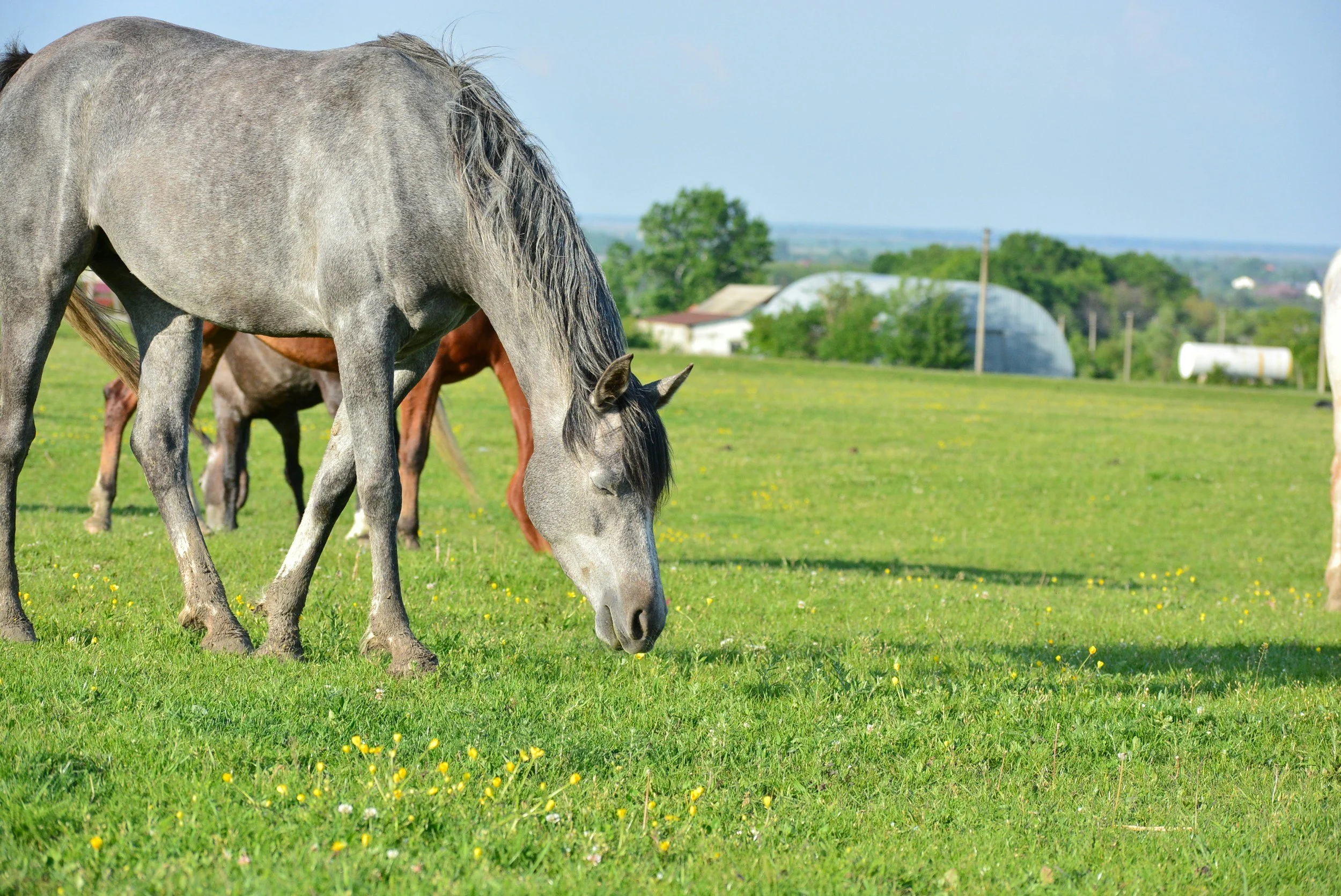
At Making Momentum we understand horses need turnout and proper grassland management for their physical and mental well-being, as turnout provides access to fresh air, exercise, social interaction, and natural behaviours, while grassland management ensures a healthy, sustainable grazing environment.
Why Turnout is Important:
Physical Health:
Exercise: Turnout allows horses to move freely, which is crucial for maintaining muscle tone, joint health, and overall fitness
Digestive Health: Access to pasture and grazing allows horses to fulfill their natural grazing instincts, which is important for gut health and preventing conditions like colic and ulcers.
Respiratory Health: Stabling horses for extended periods can lead to respiratory problems due to dust and ammonia buildup. Turnout provides access to fresh air and reduces these risks.
Mental Well-being:
Social Interaction: Horses are social animals, and turnout allows them to interact with other horses, which is vital for their mental health and well-being.
Natural Behaviors: Turnout allows horses to engage in natural behaviors like grazing, rolling, and exploring, which are important for their mental stimulation and reducing boredom.
Reduced Stress: Turnout can help reduce stress and anxiety in horses, particularly those that are stabled for long periods.
Preventing Problems:
Laminitis: While grazing is essential, excessive grazing, especially in spring when grass is lush, can increase the risk of laminitis in susceptible horses. Proper turnout management, including grazing restrictions, can help mitigate this risk.
Overgrazing: Overgrazing can lead to a decline in pasture quality and soil health, which can negatively impact the long-term health of the land and the horses grazing on it.
Turn Out Groups Summer 2025
Horses in green italics are owned by V. Bates. See field map on board for locations.
Group 1: Louis, Annie, Carrie, Cello, Remi, Dina, Sojo in Roadside field
Group 2: Tux, Max in Square Paddock
Group 3: Molly, Bert, Ninja, Lark, Sweetie. in Middle Paddock
Procedure:
Turning Out
Check yard gates are shut. Perform visual check of field fencing and waterers.
Begin with the horses turned out in fields closest to the yard so no horse is left isolated and at risk of distress.
Horses headcollars are hanging on their stable name plates with ropes unwound.
Enter stable, close the door and fit headcollar.
Ask the horse to step back and open the door wide.
Lead each horse individually to its assigned field.
Once in the field, turn the horse to face the gate and close it.
Remove the head collar and release the horse.
Leave the field and close the gate.
Return the headcollar to the name plate and wind the rope up
Repeat until all horses are out
Bringing In
Check yard gates are shut.
Begin with the horses turned out in fields furthest from the yard so no horse is left isolated and at risk of distress.
Horses headcollars are hanging on their stable name plates with ropes wound up.
Enter the field and close the gate
Approach the horse and fit it’s headcollar
Leave the field and close the gate
Lead each horse individually and secure it in its stable
Return the headcollar to the name plate and leave the rope unwound
Repeat until all horses are in
Why Grassland Management is Important:
Sustainable Grazing: Grassland management, including rotational grazing, helps ensure that pastures are healthy and can support horses for the long term.
Pasture Health: Rotational grazing allows pastures to rest and recover, which promotes healthy grass growth and prevents overgrazing.
Weed Control: Proper grassland management includes controlling weeds and other undesirable plants that can negatively impact pasture health and horse health.
Soil Health: Healthy pastures with good grass cover help to prevent soil erosion and maintain soil health.
Water Management: Ensuring adequate drainage and access to clean water sources is crucial for healthy pastures and horse health.
Fencing: Proper fencing is essential for keeping horses within their pastures and protecting them from hazards.
Seasonal Management: Pasture management needs to be adjusted for different seasons, such as spring grazing restrictions to prevent laminitis and winter turnout considerations
At Making Momentum CIC we rotate fields in Summer (Approximately April to October) and Winter (Approximately November to March) resting fields will be harrowed, rolled and dressed as appropriate by landowners. Fencing is a mixture of post and rail and electric tape that is well maintained, regularly checked and appropriate for use.
Horses are grazed in settled groups and are in an intelligent worming program with very low worm burden. There is more than adequate space and therefore muck removal is currently unnecessary. Weight and body condition is regularly monitored and feed is adjusted accordingly and recorded on each horse's log. Smaller paddocks and grazing muzzles are available for those at risk of laminitis or becoming overweight. Additional forage is provided during the winter months where horses are at risk of becoming underweight. Changes will be reflected in the Daily Routine and Turn Out Procedures.